
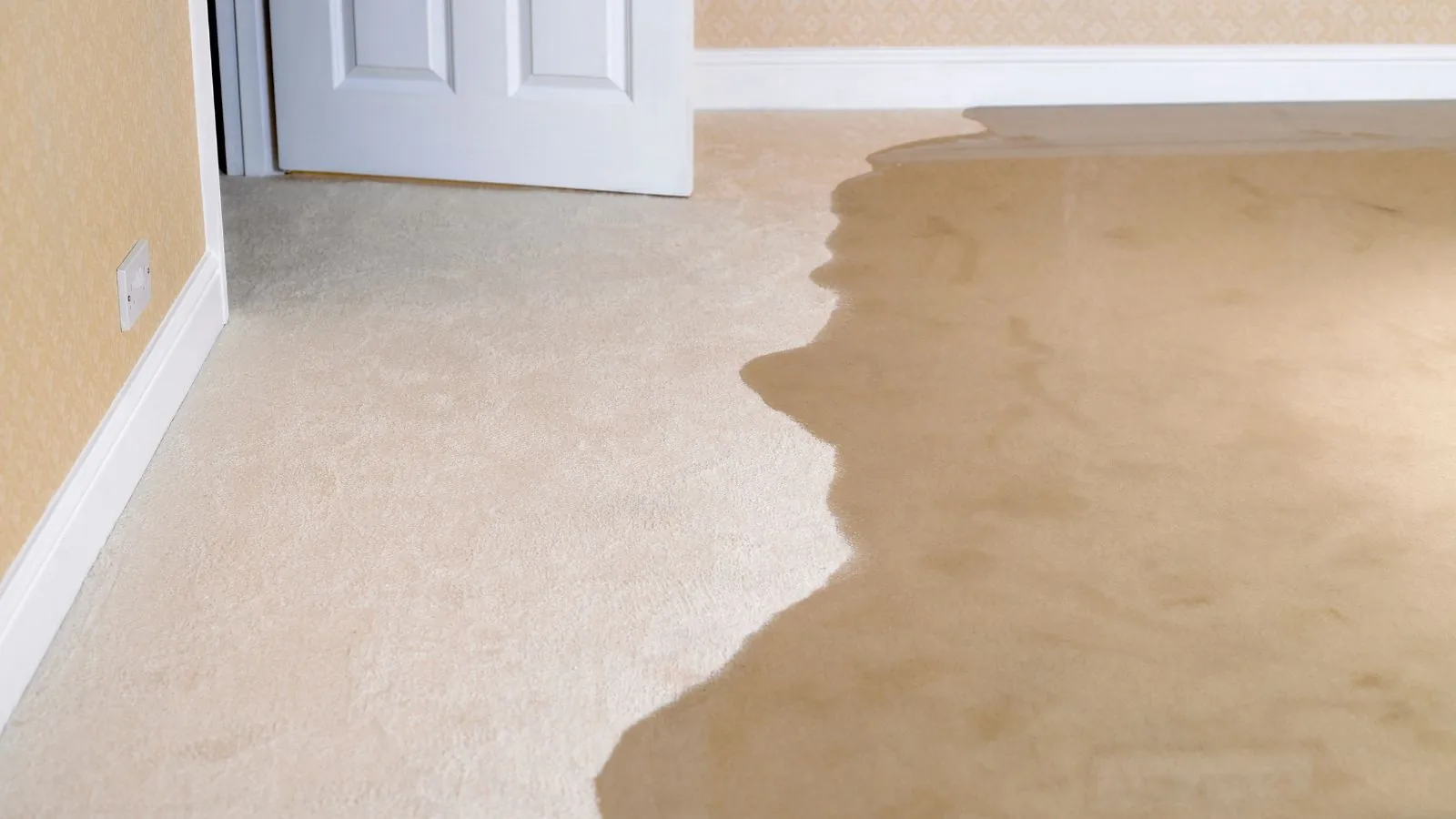
Carpet water damage restoration in Rosedale, NY covers wall-to-wall carpet and rugs soaked by clean pipe water, gray water or flood water. The deciding question is whether the water was clean and how long the carpet stayed wet.
The pad underneath holds most of the water and is usually the problem. Call (516) 845-9582 and we test, extract and decide with you whether to dry in place or replace.
Soaked carpet: save it or replace it
Carpet from a clean water source, such as a broken supply line, is often saved if extraction and drying start within a day or two. The pad is usually lifted and either dried or replaced, and the carpet is cleaned and dried on top of it.
Carpet that sat in contaminated water, such as sewage or flood water, is usually removed, because the fibers and backing cannot be fully cleaned.
What to do before the crew arrives
What you do in the first hour decides whether the pad can be saved.
- Stop the water source first.
- Keep foot traffic off wet carpet to avoid pushing water into the pad.
- Lift furniture legs onto foil or plastic blocks.
- Do not run a household vacuum on wet carpet.
- If the water was dirty, keep children and pets away.
Carpet still wet?
Call us to assess it.
Carpet decision guide
This is the framework crews use on arrival.
| Water type | Time wet | Typical decision |
|---|---|---|
| Clean, Category 1 | Under 24 to 48 hours | Dry in place, replace pad |
| Gray, Category 2 | Any | Clean or replace depending on extent |
| Black or flood, Category 3 | Any | Remove and replace |
| Clean but long exposure | Several days | Often replace, check for mold |
How carpet decisions are made
The water category and the hours carpet has been wet decide whether pad and carpet are dried in place or removed, according to the ANSI/IICRC S500 standard. Ask your company which category it assigned and why.
The drying steps for wet carpet
Sequence matters.
- Extract water with weighted tools from the top.
- Lift the carpet edge and remove the pad if it is wet.
- Place air movers under and over the carpet and run dehumidifiers.
- Check the subfloor with a moisture meter.
- Clean and sanitize before reinstalling or replacing.
After drying, a final check confirms that tack strips and baseboards are dry.
What a drying visit looks like for a wet room
On arrival the crew checks the carpet, pad and tack strip edge with a moisture meter and notes the water source. A flat extraction wand with weight on it pulls water from the carpet surface, and a lifted corner shows whether the pad underneath is soaked. Pad is usually the item that decides the job, because it acts like a sponge and dries slowly.
Equipment goes in the same visit. Air movers are set so air flows under the lifted carpet, and a dehumidifier runs in the room with doors and windows closed. The crew records humidity and surface readings on the first day, and returns to log them again until the carpet, pad and subfloor all read dry.
Carpet types and how they hold water
Fiber and backing change how much water the carpet keeps.
Nylon and polyester
Synthetic fibers hold little water themselves, so drying mostly depends on the backing and pad.
Wool and natural fibers
Natural fibers absorb water and can shrink or stain, so cleaning has to be gentle.
Berber and loop pile
Loops trap debris and water, and seams can fray when wet.
Area rugs
Small rugs can be lifted and dried flat, while wall-to-wall carpet stays and is dried in place.
The right call depends on the fiber, the age of the carpet and the water source, and we explain our reasoning before work starts.
What drives carpet restoration cost
We explain scope and price before work starts.
Water category
Contaminated carpet is replaced.
Area
Larger rooms need more equipment.
Pad
Replacing pad adds cost.
Subfloor
A wet subfloor adds drying time.
Rebuild scope
New carpet and installation are scoped separately.
Insurance may cover sudden water damage to carpet, but age and wear can affect payment. Ask your insurer and photograph the carpet before cleanup.
Carpet notes for Rosedale
In a flood near Jamaica Bay, carpet is usually a loss because the water is Category 3. Rosedale's low-lying streets near Hungry Harbor Road and Hook Creek Boulevard have had tidal flooding reported by the National Weather Service, so if carpet in a lower level got wet, assume outdoor water until proven otherwise.
For related floors, see hardwood floor repair, and for drying detail, structural drying. We also serve Lawrence.
Mold risk and timing
The EPA advises drying wet materials within 24 to 48 hours to limit mold growth. Wet carpet that stays damp longer can develop odors and growth underneath. We do not make health claims, and questions about health belong with a physician.
Common questions
Can I dry carpet myself?
For a small clean spill, yes. For a soaked room, the pad and subfloor need professional drying.
Should I replace the pad?
Usually yes. Pad absorbs water and dries slowly.
How long can carpet stay wet?
Within 24 to 48 hours is the target. After that, the risk grows.
Is it covered?
Often if sudden. Ask your insurer.
Need help now?
Our line is open around the clock.