
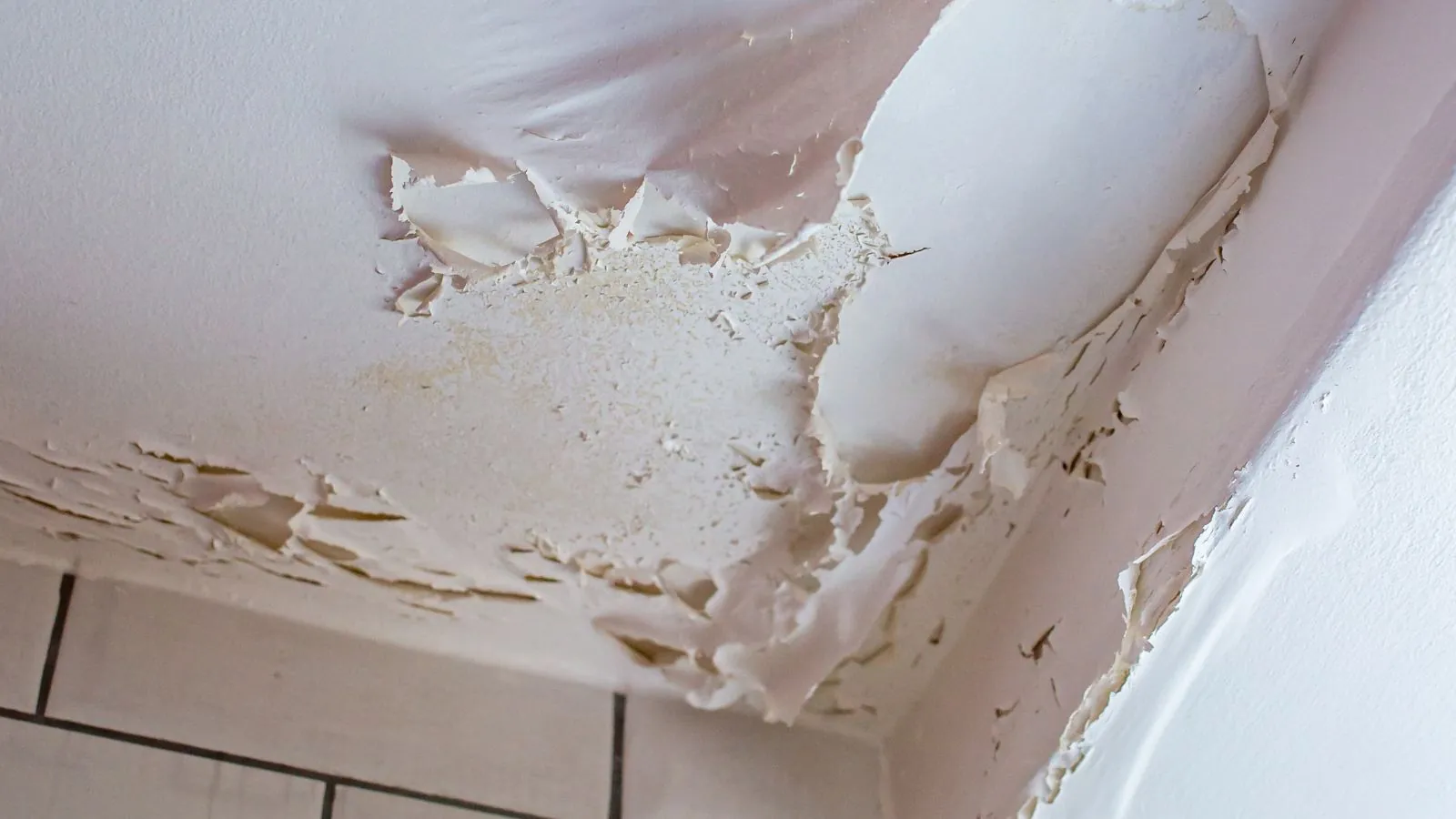
Whether homeowners insurance covers water damage depends on where the water came from. Sudden and accidental events, such as a pipe that bursts or an appliance that fails, are often covered. Gradual leaks, neglect and flood are often not, and sewer backup usually needs an added endorsement.
This guide explains the common dividing lines for Rosedale, NY homeowners and renters. We are a restoration company, not an insurer or adviser, so read your own policy and ask your insurer to confirm what applies. Restoration work that follows, such as water extraction, is a separate service.
Sudden and accidental versus gradual
Most standard policies cover water damage that is sudden and accidental, such as a supply line that bursts overnight or a water heater that fails. They often exclude damage that built up over weeks or months, like a slow drip under a sink that rotted a cabinet base, because that is treated as a maintenance issue.
The distinction can be argued, so documentation helps. Photographs, plumber reports and dated notes about when you first saw the problem all show whether the event was sudden.
Common water sources and how they are usually treated
This table shows typical treatment. Your policy decides.
| Source | Often covered? | Notes |
|---|---|---|
| Burst pipe or supply line | Often yes | Sudden and accidental events are the usual core coverage |
| Appliance malfunction | Often yes | Wear and tear on the appliance itself is usually excluded |
| Roof leak from storm damage | Often yes | Depends on whether the roof was maintained |
| Slow or long-term leak | Often no | Treated as maintenance or seepage |
| Flood or rising surface water | Usually no | Needs a separate flood policy |
| Sewer or drain backup | Only with endorsement | Usually excluded if flood caused it |
Need drying while you sort out coverage?
Call the 24/7 line.
What the state says about flood and backup
The New York State Department of Financial Services states that the typical homeowners or renter's policy does not cover flood damage. Flood coverage may come from an endorsement or from a separate policy through the National Flood Insurance Program. The same page says water back-up and sewage damage may be covered if you bought an endorsement for it, and that policies typically exclude back-up or sewage damage when flood caused it.
Wind damage is more likely to be covered under a standard policy. If a storm causes both wind-driven rain through the roof and rising water at the doors, the two are treated differently.
Questions to ask your insurer before you file
You can call your insurer or agent before filing to understand how your policy treats your situation. Useful questions include what your deductible is for water damage, whether you have a water backup endorsement, whether the policy covers the cost of tearing out wall material to reach a leak and how the insurer defines sudden and accidental.
The DFS says that if you have a good faith basis to believe your policy covers your claim, you should always file. It also advises filing as soon as possible after the loss.
Reading your own policy
Find the section on water damage, then the exclusions page, then any endorsements. Look for words such as sudden, accidental, seepage, continuous, flood and backup. Each word changes what a claim can recover.
Write down your deductible and any separate limits for water backup. If a term is unclear, ask your agent to explain it in writing so you have the answer on file.
Filing without waiting for certainty
You do not need to know the exact cause to call your insurer. Report the loss, describe what you see and let the adjuster investigate. Keep your own notes of what you were told and when, and ask for the claim number in writing.
Key points to remember
Questions for your insurer.
- Is a sudden pipe break covered, and what is my deductible?
- Do I have a water backup endorsement?
- Do I have a separate flood policy?
- How are slow leaks treated?
- What documents do you need?
- What repairs may I make before inspection?
Coverage notes for Rosedale and nearby Lawrence
Rosedale sits beside Jamaica Bay, and flood impact records name Hungry Harbor Road and Hook Creek Boulevard as places tidal water has reached. If you live near those streets, a flood policy is worth asking about, since tidal water is flood water for insurance purposes.
The Village of Lawrence, in Nassau County, states that a homeowner's policy does not cover flood losses, that flood insurance is available to everyone in the Village and that a flood policy has a 30 day waiting period. If you rent in Lawrence or Cambria Heights, tenants can insure their belongings, so ask about a contents policy.
What to do while you wait for an answer
Protect the property from further damage. The DFS notes that owners must make repairs needed for health, safety or preventing further damage, and that permanent repairs should wait until the insurer inspects. Keep receipts for emergency work, such as stopping a burst pipe or pumping out a basement.
Keep damaged items until the claim is settled, and document the loss before cleanup.
Common questions
Does homeowners insurance cover a burst pipe?
Often yes, if the break was sudden and accidental. Check your policy, and ask your insurer about the deductible.
Is a slow leak covered?
Often not. Many policies exclude damage that develops over time. Document when you first noticed it.
Does a Rosedale policy cover tidal flooding from Jamaica Bay?
Usually not. Flood damage needs a separate flood policy, such as one through the National Flood Insurance Program, and policies have waiting periods.
Should I file a claim if I am not sure?
The DFS says that if you have a good faith basis to believe the policy covers the claim, you should file.
Need help now?
Our line is open around the clock.