
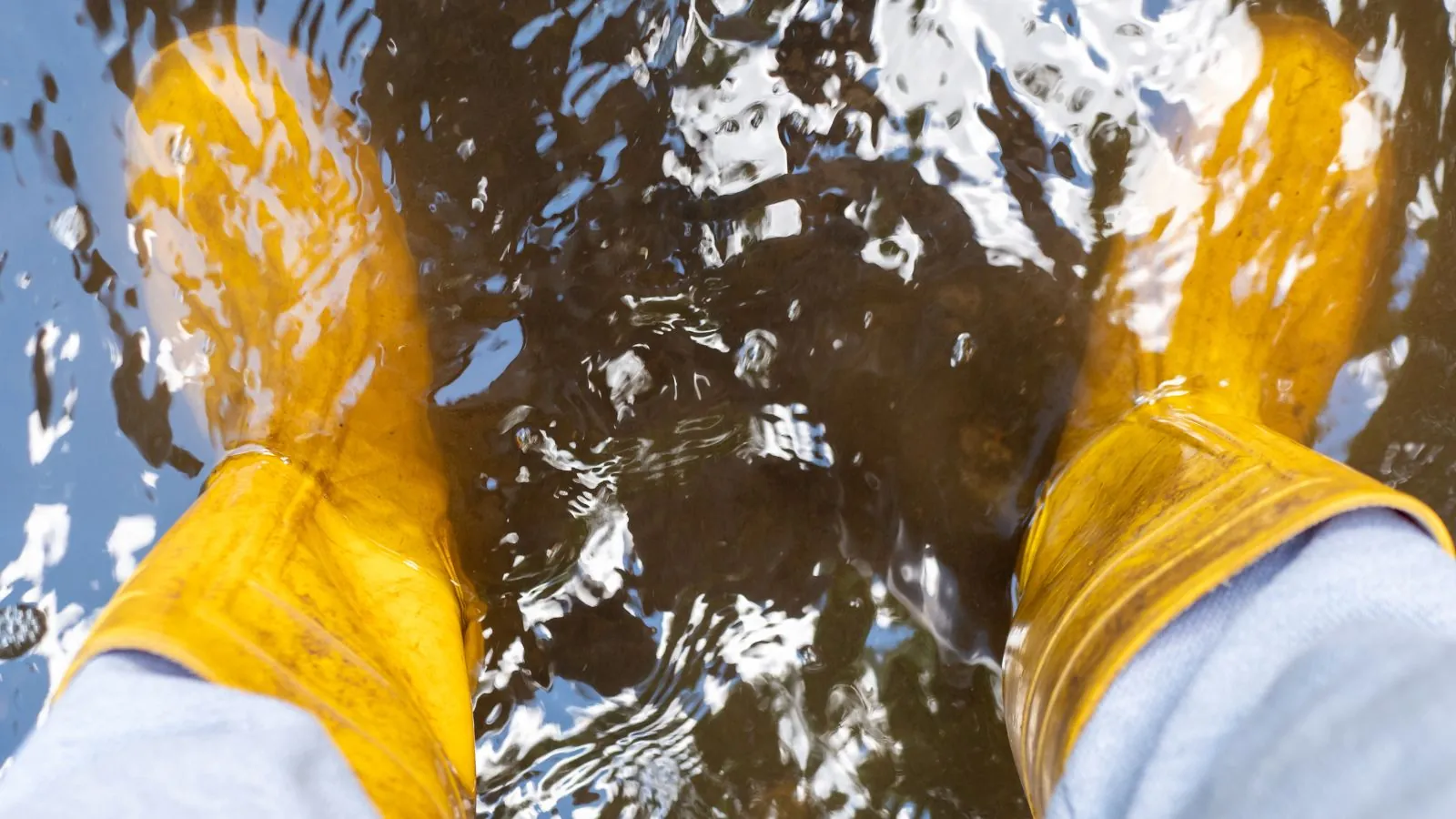
Coastal storms, heavy rain and high tides can all bring water into a Rosedale, NY home. A little preparation reduces damage, speeds up cleanup and makes insurance conversations easier.
This guide is a checklist. It uses public information from the National Weather Service, the City and the Village of Lawrence. If water does enter, see storm water damage restoration and flood damage cleanup for what follows.
An afternoon checklist
Do these before storm season.
- Clear gutters, downspouts and the nearest street catch basin if safe.
- Test the sump pump if you have one, and consider a battery backup.
- Ask a licensed plumber about a backflow valve or sewer line check.
- Move stored items in basements off the floor.
- Photograph each room and keep a home inventory.
- Sign up for Notify NYC alerts.
- Know where your water, gas and electric shutoffs are.
- Put important papers in a waterproof container on a higher level.
Test everything once so you know it works.
What to do at each warning level
Match your actions to the situation.
| Situation | Action | Why |
|---|---|---|
| Rain in the forecast | Clear drains and check pump | Prevents clogs and backups |
| Coastal flood watch | Move valuables up and charge phones | Tides can rise quickly |
| Flood warning | Shut off gas and electric if told to and avoid driving | Safety first |
| After the storm | Photograph and document before cleanup | Supports a claim |
Storm water in the house?
Call now.
Sewer backups and backflow
DEP states that blocked pipes are the most common cause of sewer backups and that property owners own and maintain the sewer service line. It advises homeowners to keep grease and wipes out of drains. The Village of Lawrence notes that a plug or standpipe can help if water is only one to two feet deep, and that a backflow valve must be installed by a licensed plumber.
A backflow valve does not stop every kind of flooding, but it can help stop sewage from coming up through basement drains.
Guidelines worth following
Two published references help after a storm. The EPA suggests drying wet materials within 24 to 48 hours, and the ANSI/IICRC S500 standard shows how professionals do it. Knowing the timeline helps you act quickly.
Insurance before the storm
The DFS states that the typical homeowner or renter policy does not cover flood, and that flood coverage comes separately or through the National Flood Insurance Program. The Village of Lawrence notes a 30 day waiting period on flood policies, so buying coverage after a storm is announced is too late.
Read your policy now. Ask whether you have a water backup endorsement and what your deductibles are.
Alerts and your plan
Notify NYC is the City's free emergency alert service, and you can sign up by phone or online. Write down a plan that names where to go, who to call and what to bring. Keep medications, chargers and documents in a go bag.
Practice once. Knowing where the shutoffs are before water arrives saves time when it matters.
Outside the house
Walk the property. Check that grading slopes away from the foundation, that downspouts discharge away from walls and that window wells are clear. Secure outdoor furniture and move vehicles when a flood warning is issued.
Small fixes outside reduce the amount of water that reaches your foundation.
After the storm
Do not enter a flooded basement until the power is off and the area is safe. Photograph the damage before cleanup. Start drying within a day or two, and call a professional if the loss is large or the water was contaminated.
Keep receipts and notes for any emergency work.
Basements and stored belongings
Keep boxes on shelves or pallets instead of directly on the floor, and use sealed plastic bins. Store important papers upstairs. Elevate the water heater and furnace if they are in a low area, and ask a licensed professional before moving gas or electrical equipment.
Key points to remember
Keep this short list near your breaker panel.
- Clear drains and gutters before the season starts.
- Test the sump pump and think about a battery backup.
- Sign up for Notify NYC and know your shutoffs.
- Keep documents and photos where water cannot reach them.
- Read your policy now, since flood coverage has a waiting period.
- Call for extraction and drying within a day of any water entering.
Notes for Rosedale, Lawrence and Cambria Heights
The National Weather Service New York office documents tidal flooding in Rosedale, including 14.1 feet at Inwood during Hurricane Sandy in 2012, which brought major residential damage at Meadowmere, and 10.2 feet on December 23, 2022 that flooded Hungry Harbor Road south of 148th Avenue. The City is completing a $51.8 million drainage project with 92 new catch basins and 13 underground storm chambers, with completion expected in winter 2026.
Lawrence sits along Bannister Creek, Reynolds Channel and Brosewere Bay. The Village advises owners to check flood maps at the Building Department or the Peninsula Public Library. Lawrence and Cambria Heights homeowners can use the same list, and everyone should check the FEMA flood map for their address.
Common questions
When should I start storm prep in Rosedale?
Before the season starts, so the pump, drains and documents are ready when a forecast changes.
Does homeowners insurance cover flood?
The DFS says typical policies do not. Ask about flood coverage and note any waiting period.
Is a backflow valve worth it?
Ask a licensed plumber whether it fits your lines and what it can and cannot do.
How do I get storm alerts in Queens?
Sign up for Notify NYC, the City's emergency alert service, and follow National Weather Service warnings.
Need help now?
Our line is open around the clock.