
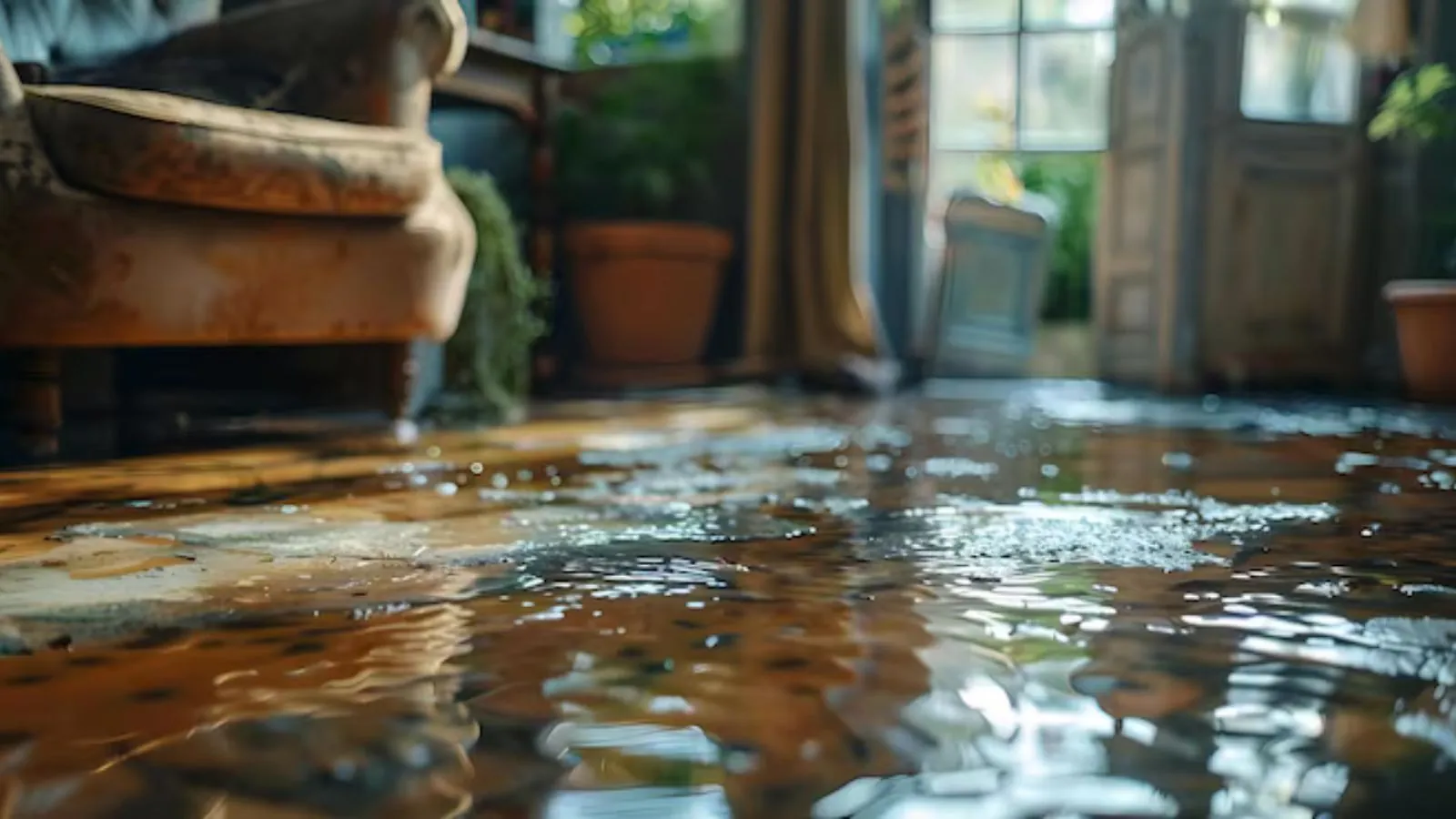
Wet photos, important papers and keepsakes can often be saved if you act quickly and gently. The first 48 hours matter most, because wet paper starts to stick, bleed and grow mold in that window.
This guide is for Rosedale, NY homeowners after a leak, flood or backup. If the water that soaked your belongings may have been contaminated, protect yourself first, and for the building itself, see flood damage cleanup and basement water damage cleanup.
Do this first, in the first hours
Safety first, then speed.
Do this first, in this order
- Make sure the area is safe to enter and wear gloves if the water was dirty.
- Move wet items to a clean, dry area and keep them from drying into a stack.
- Do not pull apart stuck photos or pages. Separate only if they come apart easily.
- Rinse mud off photos gently with clean water if needed.
- Dry items flat on clean paper or screens away from direct sun and heat.
If you cannot deal with them within a day or two, freezing them stops damage until you can.
Photographs
Photos are the most recoverable. Rinse silt gently, then lay them face up on clean paper towels, screens or a clean tabletop. Keep photos that are stuck together in a bowl of clean water to soak apart, and do not peel them.
Digital copies are often better than the originals after damage, so scan or photograph recovered images once they are dry.
Need help moving wet contents?
Call and we explain what we can do today.
What to air dry, freeze or let a professional handle
Triage depends on the item.
| Item | What to do | Notes |
|---|---|---|
| Photographs and slides | Rinse, then air dry flat | Freeze if you cannot get to them in 48 hours |
| Books and papers | Interleave with paper, or freeze | Do not use heat |
| Legal and financial documents | Dry and make copies | Contact the issuer to replace originals when needed |
| Electronics storage | Do not power on | See electronics guidance |
| Items soaked in sewage or flood water | Handle with protection | Discard or consult a professional |
Guidance on drying paper and photos
Public guidance from the EPA on wet materials points to a 24 to 48 hour window, and conservators give similar advice for paper and photographs. Acting inside it gives your items the best odds.
Documents you must replace and records you should photograph
Important papers such as titles, birth certificates and passports are replaced through the issuing office, and a copy of the damaged original helps. Take photos of what survived and what did not, because the DFS notes that you may need a detailed inventory with receipts, credit card statements and other proof of value for a claim.
Keep damaged property until the claim is settled, and ask your insurer before discarding items worth claiming.
Freezing as a pause button
If you cannot dry paper items within a day or two, freezing buys time. Place items in freezer bags, separating photos with wax paper if you can, and put them in a freezer. Cold stops mold growth and keeps pages from sticking further while you arrange professional help.
Freeze flat if possible. Do not use frost free settings for long storage if you can avoid it, since the cycle can dry items unevenly. Label bags so you can find things later.
Keepsakes and fabric
Textiles such as quilts, clothing and upholstery can often be laundered or cleaned if the water was clean. Rinse them promptly, avoid hot dryers on delicate items and let them dry fully before storing. If the water was contaminated, discard items that cannot be disinfected.
Furniture with sentimental value may be worth restoring. Ask a professional whether wood pieces can be dried slowly to avoid warping.
Books, files and boxes
Books swell and stick together, so stand them up with pages fanned open and let air move around them. Interleave sheets of clean paper in files that cannot be separated, and change the paper as it gets damp. Cardboard boxes weaken when wet, so move contents to plastic bins right away.
Working with a restoration company on contents
Pack-out means moving belongings to a clean, dry place for cleaning, drying and storage while the building is repaired. Ask what is included, how items are listed and how long they will be kept. A written inventory protects both sides and supports an insurance claim.
Key points to remember
Act in this order.
- Make the area safe.
- Move items to a clean, dry area.
- Rinse mud gently from photos.
- Air dry flat or freeze within 48 hours.
- Copy important papers and replace originals through the issuer.
- Keep damaged property until the claim is settled.
Notes for Rosedale
If the water that soaked your belongings was floodwater or sewage, the NYC Department of Environmental Protection says to thoroughly clean and disinfect inside your home, since floodwater may contain sewage and germs. Treat paper that sat in that water as contaminated and wear gloves when handling it.
For a home in Cambria Heights or Lawrence, the process is the same. Our crews can pack out contents for cleaning where needed.
Common questions
Can wet photos be saved?
Often yes, if you rinse and dry them within a day or two or freeze them.
Should I use a hair dryer on wet papers?
No. Heat can warp paper and set stains. Use air drying or freezing.
Is it safe to keep paper that was soaked by sewage?
Treat it as contaminated. DEP says to clean and disinfect inside your home after a sewage backup or flood.
What should I do with ruined belongings in Rosedale before the adjuster visits?
Photograph them and keep them until the claim is settled.
Need help now?
Our line is open around the clock.