
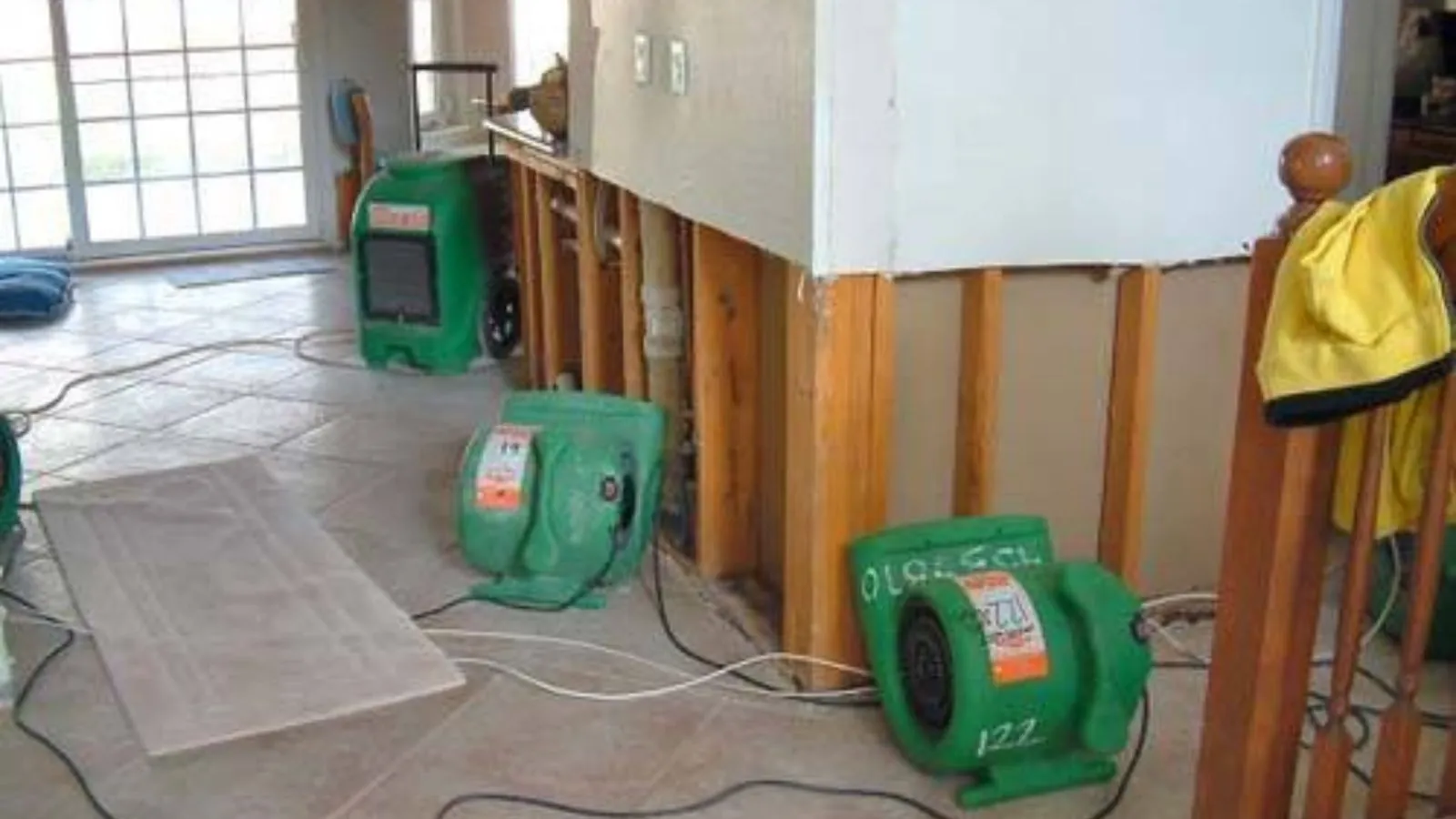
A water damage insurance claim in Rosedale, NY is built from evidence: photographs, an inventory, receipts and a written record of what happened and when. Collecting that evidence before cleanup is the single habit that most improves a claim.
The steps below follow guidance from the New York State Department of Financial Services. We are a restoration company, so your insurer decides coverage, but we can give you a written scope with photos and moisture readings, and we explain the cost before work starts. Related services include structural drying and burst pipe cleanup.
Claim steps in order
Follow this order if you can.
- Make the area safe and stop the water source.
- Photograph and video the damage before moving or cleaning anything.
- Call your insurer or agent and file as soon as possible.
- Protect the property from further damage and keep every receipt.
- Make an inventory of damaged items with descriptions, ages and values.
- Keep damaged items until the claim is settled.
- Wait for the insurer's inspection before permanent repairs.
- Follow up in writing and keep a log of every conversation.
The DFS states that you should document losses before cleaning anything up, file as soon as possible and keep records of conversations.
What to do before you clean up
What you do before cleanup shapes the whole claim.
- Make the area safe and stop the water.
- Photograph and video everything before moving it.
- Do not throw away damaged items.
- Call your insurer or agent to report the loss.
- Keep every receipt for emergency work.
Need a written scope for your claim?
Call and we explain the process.
What to photograph and how
Take wide shots of each room first, then close-ups of the damage. Include the source, such as the failed fitting. Photograph the water line on walls and furniture, and capture appliance labels and serial numbers.
Video helps. A slow walk through the house narrating what you see creates a dated record that is easy to review later.
Standards and guidance for claims
Coverage is your insurer's call, yet two references help your paperwork. The DFS publishes claim guidance, and the ANSI/IICRC S500 standard describes how drying is documented. Ask for the readings log and the claim steps in writing.
Documents to gather
These are the items insurers and adjusters most often ask for.
| Item | Why it matters | Where to find it |
|---|---|---|
| Photos and video | Shows extent and condition | Your phone, with dates |
| Inventory list | Supports contents claims | Make it room by room |
| Receipts for emergency repairs | Reimbursement | Keep paper or digital copies |
| Written scope from restoration company | Describes work and readings | Ask your contractor |
| Policy and claim number | Reference | Your insurer's portal or agent |
| Plumber or roofer report | Shows cause | From the repair visit |
Disagreements and next steps
If you disagree with the amount of the loss, the DFS says your policy may provide an appraisal process, and you can file a complaint with DFS, consult an attorney or work with a licensed public adjuster. You can also obtain your own contractor's estimate to compare with the insurer's.
Keep your tone factual and your records organized. Disputes are easier to resolve when each item has a date, a photo and a receipt.
Keeping a claim log
Start a simple log the day the damage happens. Write the date, the time, who you spoke with and what was said. Note claim numbers, adjuster names and promised follow-up dates. A page of plain notes often settles a disagreement later, because memory fades while a log does not.
Save emails and texts in one folder. If you speak by phone, send a short written recap afterward, such as thanking the adjuster for the call and restating what was agreed.
Photos that help an adjuster
Adjusters look for the cause, the extent and the condition of materials. Capture the failed part, the wet area, the water line and the age and quality of finishes such as flooring and cabinets. Include a tape measure or a common object in some shots so size is clear.
Take pictures again after demolition if walls or floors are opened. Those photos show what was behind the surface and why the work was necessary.
Working with the adjuster
Be present at the inspection if you can. Walk the adjuster through each affected area and point out hidden or less visible damage, such as behind cabinets. Share your photos and the contractor's moisture readings, and ask when you can expect a written decision.
If the claim is delayed
Ask politely for a status update in writing and note the date of each request. If you are stuck, the DFS offers a complaint process, and an attorney or licensed public adjuster can advise you. Meanwhile, keep protecting the property so the loss does not grow.
Key points to remember
Your claim checklist.
- Photograph first, clean second.
- File as soon as possible.
- Keep receipts and damaged items.
- Log every conversation.
- Wait for the adjuster before permanent repairs.
- Use the appraisal and complaint options if you disagree.
Claim notes for Rosedale and the Queens and Nassau county line
If a sewer backup is involved, tell 311 about the raw sewage and write down the tracking number and the DEP service request number you are given. To claim City fault for damages, DEP says to contact the NYC Comptroller's Office within 90 days.
If your property is in Lawrence, the Village flood page advises checking flood maps at the Building Department and notes the 30 day wait on flood policies. For Cambria Heights homes, the same DFS steps apply.
Common questions
Should I clean up before the adjuster visits?
Document first. The DFS advises documenting losses before cleaning anything up, and only repairs needed for safety or preventing further damage should be made before the insurer inspects.
How long do I have to file?
The DFS page names no specific deadline in its general guidance and says to file as soon as possible. Check your policy for its own time limits.
What if the sewer caused the backup in Rosedale?
Report it to 311 and keep the tracking number. DEP says City fault claims go to the NYC Comptroller's Office within 90 days.
Can your crew give me a written scope?
Yes. We explain scope and price before work starts and include photos and moisture readings when relevant.
Need help now?
Our line is open around the clock.