
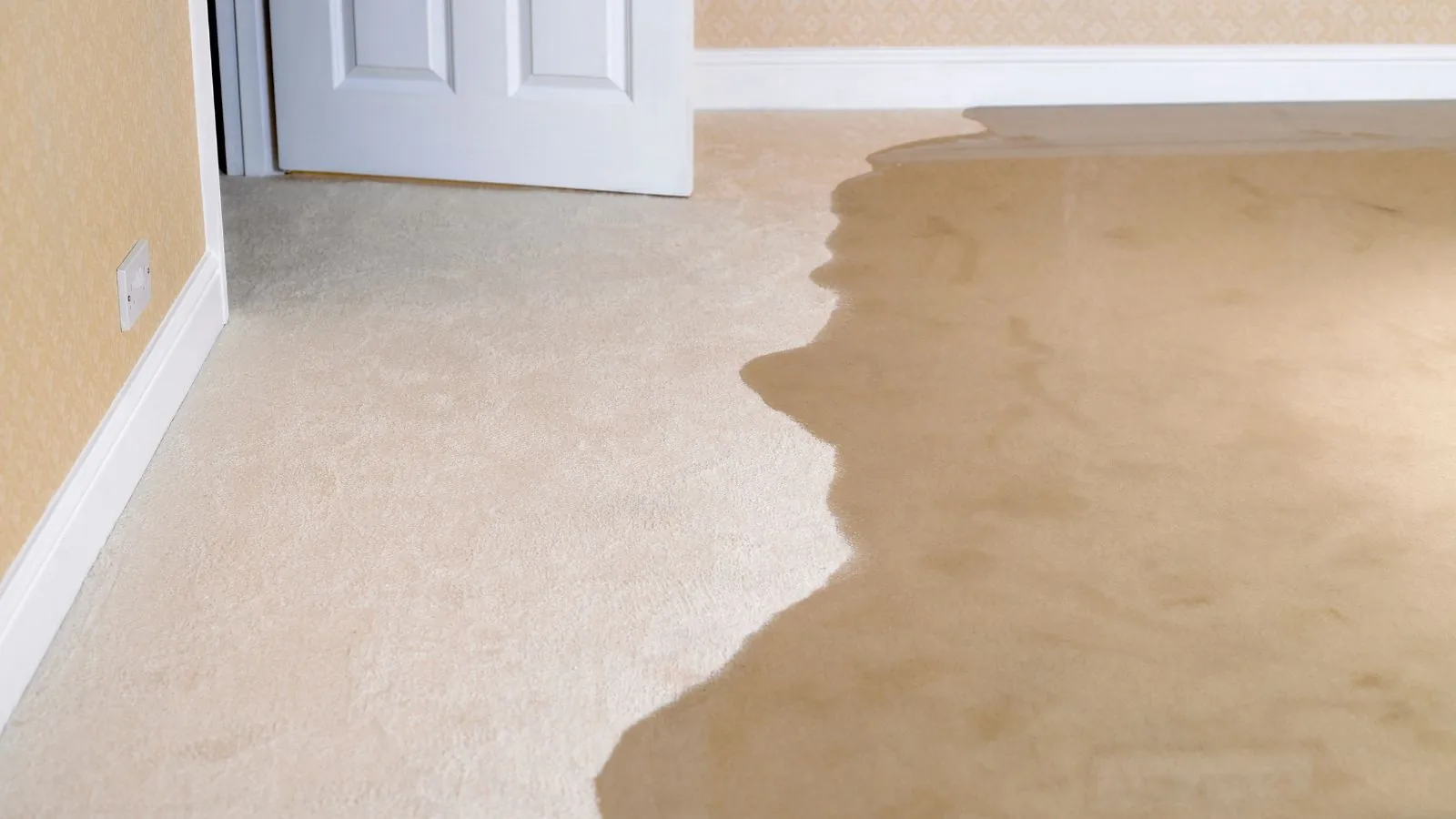
A water damage restoration estimate should tell you what will be done, where, with what equipment and for how many days, and it should separate emergency work from rebuilding. A single lump-sum number with no detail is a red flag.
This guide is for Rosedale, NY homeowners comparing estimates. We do not quote prices here because every loss is different, but we explain scope and price before work starts. For what the first visit involves, see water extraction and structural drying.
A good estimate lists these items
Use this as a checklist.
| Line item | What to look for | Why it matters |
|---|---|---|
| Affected areas | Rooms, square footage, floors | Defines the scope |
| Water category | Clean, gray or contaminated | Changes protective gear and what can be saved |
| Extraction | Method and time | Initial water removal |
| Drying equipment | Number of air movers and dehumidifiers and days | Largest part of mitigation |
| Demolition | Materials to be removed | Drywall, flooring, insulation |
| Monitoring | Daily readings | Proof of drying |
| Rebuild | Separate scope | Done after drying |
| Contents | Pack-out and cleaning | Often priced separately |
What to do before you accept an estimate
Slow down on paperwork without slowing the drying.
- Ask for the scope in writing before work starts.
- Do not sign an authorization you have not read.
- Photograph the damage so you can match it to the scope.
- Compare at least two written estimates if time allows.
- Do not delay emergency drying while you compare.
Comparing estimates?
Call and we walk through ours.
Questions about drying equipment
Equipment is usually priced per piece per day, so the count and the days matter. Ask how many air movers and dehumidifiers are planned, how that number was chosen and how the company will decide when to remove them.
Under ANSI/IICRC S500 practice, drying is logged until goals are met, so the days should be driven by readings, not a fixed number.
Insurer estimates versus contractor estimates
Your insurer's adjuster writes an estimate for the covered scope, and a contractor's estimate may differ. The DFS notes that you may get your own contractor's estimate to compare with the insurer's, and that if you disagree with the amount your policy may provide an appraisal process.
Differences are common and can usually be explained by hidden damage, materials or labor rates. Share the contractor's written scope with the adjuster early.
What an estimate cannot know yet
Hidden damage appears when walls are opened. A good estimate says so and explains how changes will be handled, for example by a written change order before additional work. Ask what happens if moisture is found beyond the initial scope.
Ask whether rebuild pricing is included or separate. Often it is scoped after drying is complete.
Unit pricing and what to ask about it
Some line items are priced by the square foot, some by the day and some by the piece. Ask which unit is used for each line and how quantities were measured. A square foot price needs a square foot figure, and a daily price needs an expected number of days.
If a quantity looks large, ask to see the measurement. Honest estimators can show how they arrived at it.
Contents, disposal and cleanup
Estimates sometimes leave out contents handling and debris removal. Ask whether the price includes bagging and hauling away wet material, protecting floors during work and cleaning the area afterward.
Also ask about contents. Moving furniture, packing belongings and storing them can be a separate line. If contents will be cleaned off site, ask how items are tracked and returned.
Reading the total
Add the lines yourself and check that the total matches. Look for allowances, which are provisional amounts for items not yet chosen, and ask how they will be settled. Ask what is excluded and who is responsible for those items.
A good estimate invites questions. If answers come slowly or defensively, treat that as information about how the job will go.
Timing and access
Ask how long each phase is expected to take and what access the crew needs. Drying may take several days, and rebuilding may follow after readings are met. If you have to move out, ask what that means for scheduling.
Getting more than one estimate
Two or three written estimates make differences visible. Give each company the same information, and ask the same questions. Compare scope first, then equipment and then price. If one estimate is far from the others, ask the company to explain what it includes or leaves out.
Key points to remember
Compare estimates on these points.
- Scope of work room by room.
- Equipment counts and expected days.
- Demolition and disposal.
- Contents handling.
- Rebuild pricing and timing.
- How hidden damage will be handled.
Notes for Rosedale
For home improvement work, the NYC Department of Buildings notes that contractors installing cabinets or resurfacing floors must be licensed through the Department of Consumer and Worker Protection. Ask for a license number and check it with DCWP before signing.
Estimates for rebuilding after flooding in Cambria Heights and Lawrence may involve different permit authorities, so ask your contractor which applies. See flood damage cleanup for what contaminated water changes.
Common questions
Why do two estimates differ so much?
Scope, equipment counts, drying days and whether rebuilding is included can all differ.
Should I pick the cheapest estimate?
Compare scopes first. A low price that omits drying or monitoring may cost more later.
What does an estimate in Rosedale need to say about licenses?
Ask for the contractor's license information where required and verify it with the issuing agency.
Can the estimate change?
Yes, if hidden damage is found. Ask for a written change order.
Need help now?
Our line is open around the clock.